The Allure of Chance and Uncertainty
The psychology of casino game players often hinges on the allure of chance and the unpredictable nature of outcomes. Many individuals are drawn to gambling as it provides an opportunity to experience the thrill of not knowing what will happen next. This uncertainty can evoke strong emotional reactions, creating a sense of excitement and anticipation. Players may find themselves entranced by the possibility of winning, especially when they explore the various options available, such as uk casino sister sites , which can lead to repeated engagement. It is this uncertain landscape that can turn a simple game into a compelling experience, as the excitement of potential rewards overshadows the risks involved.
Moreover, the variable rewards associated with casino games play a significant role in player psychology. Just as in other forms of gambling, the intermittent reinforcement schedule—where rewards are given sporadically rather than consistently—can increase motivation. Players may become fixated on the idea that their next bet could lead to a win, reinforcing behavior through what psychologists refer to as the “near-miss” effect. This phenomenon occurs when players nearly win, thereby enhancing their desire to continue playing in the hopes of achieving that elusive jackpot.
Additionally, the atmosphere of casinos is deliberately crafted to stimulate excitement and heighten the experience for players. With enticing sounds, vivid lights, and a lively environment, casinos create an immersive experience that can lead individuals to spend more time and money than they initially intended. This sensory overload is designed to distract players from the reality of their losses and can prompt compulsive behaviors, making it crucial to understand how such environments affect decision-making processes.
The Influence of Social Dynamics
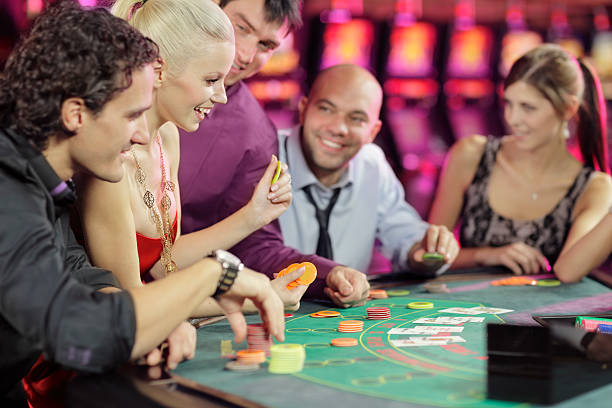
Social factors greatly influence the behavior of casino game players, creating a unique interplay between individual psychology and group dynamics. Many players enjoy the communal aspect of gambling, which can enhance the experience through shared excitement and camaraderie. This social environment can take on a different hue depending on whether the players are participating in games like poker or slots, where the presence of others may inspire competitiveness or collaboration. In social settings, players may adjust their strategies or behaviors based on the actions and reactions of those around them, illustrating the powerful impact of social influence.
Additionally, the role of social validation cannot be underestimated. Players often seek approval from friends or acquaintances, which can encourage them to make bolder bets or take risks they might avoid in isolation. This behavior is amplified in casino settings where observation from peers can lead to a competitive edge. The desire to impress or gain recognition from fellow gamblers can push individuals to gamble more aggressively, sometimes at the expense of their own financial well-being. Understanding this aspect of social interaction is crucial for comprehending the entire gambling experience.

Furthermore, the use of technology, such as online casinos and social gaming, has transformed traditional gambling dynamics. Platforms that allow players to engage with others from the comfort of their homes have increased accessibility and altered social interactions. While online communities can foster a supportive environment, they can also lead to feelings of loneliness and isolation, as some players may become more detached from the social components that physical casinos offer. The shift in social dynamics calls for an exploration of how online environments impact the psychological motivations for gambling.
The Role of Personal Motivation and Identity
The motivations driving individuals to engage in casino games vary widely and are often deeply rooted in personal identity and life experiences. For some, gambling is seen as a form of entertainment and escapism—an opportunity to step away from everyday stressors and indulge in a fantasy world. This desire to escape reality can shape how players interact with casino games, leading them to seek out experiences that distract from their daily challenges. Understanding this perspective can provide insights into why certain individuals may gamble frequently or excessively as a coping mechanism.
In contrast, for others, gambling can become tied to personal identity and self-worth. The thrill of winning can evoke feelings of validation and success, reinforcing an image of oneself as a fortunate or skilled individual. This can lead to a dangerous cycle where players continuously gamble to chase that high, driven by the need to maintain their self-esteem. It becomes vital to recognize how players’ identities are intertwined with their gambling habits, as these identities can dictate their behavior and overall relationship with gaming.
Additionally, the concept of risk-taking is an inherent trait that varies from person to person. While some individuals may be naturally inclined to take risks, others may exhibit more caution. Personal history, upbringing, and life circumstances significantly influence this characteristic. Knowing oneself in relation to risk can help players make informed choices about their gambling activities and recognize when they may be veering towards unhealthy behavior. The intersection of risk-taking and self-identity plays a crucial role in understanding why some players may become more deeply entrenched in the casino culture than others.
The Impact of Cognitive Biases
Cognitive biases significantly affect how players perceive and engage with casino games, often leading to irrational decision-making. One prevalent bias is the illusion of control, where players believe they can influence the outcome of games that are ultimately based on chance. This belief can lead individuals to overestimate their ability to win, prompting them to gamble more frequently or with larger bets than they might otherwise consider rational. The psychology behind this bias highlights the complex relationship between perception and reality in gambling scenarios.
Additionally, the gambler's fallacy, another common cognitive bias, can mislead players into thinking that past events influence future outcomes. For instance, a player might reason that a slot machine is "due" for a win after a series of losses. Such flawed thinking can encourage prolonged play and excessive wagering, resulting in negative financial consequences. Awareness of these cognitive biases is essential for players looking to develop a more rational approach to gambling, particularly in recognizing the patterns that can lead to poor decision-making.
Moreover, framing effects play a role in how players interpret the risks and rewards associated with gambling. The way information is presented can impact decision-making processes; for example, losing a bet may feel less significant when framed as “only losing potential winnings” rather than simply “losing money.” This nuanced understanding of language and presentation can shape players’ attitudes towards risk and challenge the conventional understanding of loss and gain. Being mindful of these biases allows players to foster a healthier approach to games of chance.
Exploring Resources for Responsible Gambling
As the psychology of casino game players reveals complex motivations and behaviors, it is crucial to explore resources for promoting responsible gambling. Various organizations and support groups aim to help individuals recognize harmful gambling patterns and seek assistance when needed. These resources typically offer educational materials, counseling, and strategies for self-management. Understanding the importance of these resources is vital in fostering a safer gambling environment, allowing players to make informed choices instead of succumbing to the compulsive nature of betting.
Moreover, many casinos are increasingly implementing measures to promote responsible gambling. Initiatives may include self-exclusion programs, where players can voluntarily restrict their gaming activities for a set period. These programs demonstrate an acknowledgment of the psychological challenges that gambling presents and a commitment to player well-being. Casinos are also incorporating information on responsible gaming into their marketing and player communications, aiming to raise awareness about the potential risks and consequences of gambling.
In conclusion, the psychology of casino game players is a multifaceted topic that encompasses personal motivation, social dynamics, cognitive biases, and the need for responsible gambling resources. Understanding these elements allows individuals to navigate the gambling landscape more safely and effectively. Awareness of one's psychological triggers and the tools available for responsible engagement can lead to a healthier relationship with gambling and enhance the overall gaming experience.
No Comments.